Understanding Tenant Rights and Landlord Obligations With an Eviction Lawyer For Landlords
Just How a Landlord Lawyer Can Help You Navigate Difficult Lessee Disputes
Navigating renter conflicts can be a complex and frightening task for landlords. Concerns such as non-payment, lease violations, or perhaps the eviction process typically need a nuanced understanding of landlord-tenant legislations. A proprietor attorney offers beneficial competence in these circumstances. They examine conflicts, offer calculated solutions, and warranty compliance with lawful demands. Nevertheless, knowing when to seek their support can be essential. The following actions can greatly impact the outcome of any type of dispute.
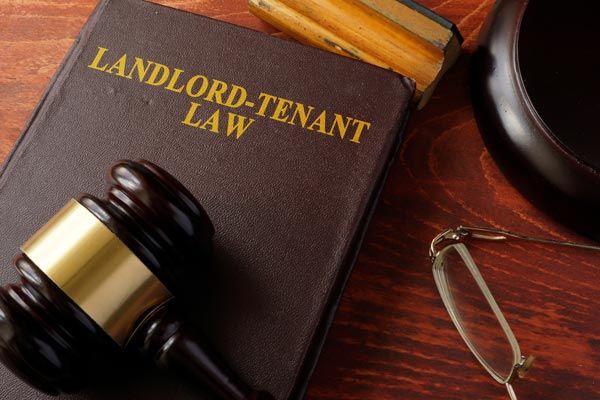
Understanding Landlord-Tenant Regulation
Comprehending landlord-tenant legislations is important for both proprietors and occupants to browse their rights and responsibilities properly. These legislations vary by jurisdiction yet typically lay out the responsibilities of each event pertaining to residential property maintenance, lease settlement, and expulsion processes. Landlords should offer habitable living conditions and respect renters' personal privacy, while lessees are required to pay rent on schedule and preserve the residential or commercial property. Knowledge with these legislations aids avoid conflicts and advertises unified connections. Additionally, understanding of tenant securities, such as protection down payment policies and anti-discrimination legislations, can empower occupants. For landlords, recognizing legal choice in situation of lease offenses is important. In general, a strong understanding of landlord-tenant laws fosters a well balanced and fair rental experience for both events involved.
Analyzing the Nature of the Disagreement
When a conflict emerges in between a property manager and tenant, examining the nature of the conflict is crucial for establishing the suitable program of activity. Disputes can vary from lease violations, residential or commercial property upkeep concerns, to differences over security deposits or eviction procedures. Each type of problem needs a tailored technique. A complete assessment entails event appropriate documents, such as lease contracts and interaction documents, to establish the facts. Additionally, comprehending the inspirations and problems of both celebrations can offer insight into potential resolutions. This foundational evaluation is crucial, as it informs the property owner's lawyer on how to best supporter for their client, guaranteeing that the landlord's civil liberties are safeguarded while aiming for a fair end result.
Approaches for Solving Non-Payment Issues
Numerous techniques exist for property owners to resolve non-payment issues successfully. Initially, open communication is essential; proprietors must get to out to renters to recognize their economic circumstance. Flexible layaway plan can be supplied, allowing lessees to pay overdue rent in workable installations. Additionally, property managers might take into consideration offering rewards for prompt settlements in the future, such as price cuts or waiving late costs. Recording all contracts and communications is important for legal defense and clearness. If needed, property managers can look for mediation solutions to promote conversations. Landlord Attorney. Ultimately, if these techniques fail, going after lawsuit may be called for, yet it should be considered as a last hope. By utilizing these techniques, property owners can possibly deal with non-payment concerns agreeably and efficiently
Dealing With Lease Violations Efficiently
Attending to lease violations needs a clear understanding of what constitutes a violation of the rental agreement. Determining details lease infractions is important for proprietors to take ideal action. Additionally, discovering the legal treatments available can aid assure that proprietors secure their legal rights efficiently.
Identifying Lease Violations
Recognizing lease violations is crucial for preserving an unified landlord-tenant relationship. Landlords must consistently review lease agreements and keep an eye on renter behavior to assure conformity with established terms. Typical violations include unauthorized family pets, late lease settlements, home damages, and subletting without authorization.
A keen eye for information enables landlords to identify these issues early, assisting in timely resolution. Documenting offenses via photographs, created notices, and document can offer beneficial evidence if disagreements emerge. Open up interaction with lessees regarding worries and expectations additionally plays a vital role in identifying problems prior to they intensify. By attending to violations promptly and fairly, property owners can cultivate trust and collaboration, ultimately adding to a more favorable rental experience for both celebrations.

Legal Remedies Available
When lease offenses happen, property owners have several legal treatments available to resolve these issues properly. One typical remedy is issuing an official notification to the lessee, detailing the details violation and offering a timeframe for modification. If the renter fails to conform, proprietors may go after eviction procedures, depending upon regional regulations. Furthermore, proprietors can look for financial problems for any monetary losses sustained due to the violation. Arbitration is an additional option, allowing both parties to work out a resolution without lawsuits. Landlords might also think about lease termination if offenses are recurring or extreme. Consulting a property owner lawyer can give support on the most effective training course of activity, ensuring that all remedies straighten with applicable legislations and laws.
The Expulsion Process and Legal Factors To Consider
The eviction process can vary considerably by territory, it normally follows a structured legal structure that proprietors need to adhere to in order to protect their legal rights. Property managers have to give lessees with a proper notice, specifying the reason for expulsion and providing them a designated duration to treat the situation or leave the facilities. Proprietors can submit an eviction claim in the ideal court if the tenant falls short to abide. Upon receiving a judgment, property managers might acquire a writ of property, enabling them to reclaim their home. It is important for property owners to comprehend neighborhood laws and laws governing the expulsion process, as improper treatments can bring about hold-ups or termination of the instance, jeopardizing their capacity to restore property.
Paperwork and Document Keeping
Efficient documents and record maintaining are essential for landlords taking care of occupant disputes. Exact records provide a clear timeline of events, including communication, lease agreements, and repayment histories. This details can be very useful in resolving conflicts and demonstrating compliance with legal obligations. Landlords should keep in-depth notes on tenant communications, consisting of any kind of complaints, maintenance requests, and feedbacks. Keeping duplicates of all document, such as letters and e-mails, warranties that there is a trusted recommendation for any issues that might occur. Furthermore, pictures of building conditions can function as vital evidence in disputes. By methodically organizing these documents, property owners can properly sustain their placement and browse difficulties with self-confidence, consequently reducing misunderstandings and promoting a more favorable landlord-tenant relationship.
When to Look For Lawful Representation
At what point should a property owner consider looking for legal representation for lessee disputes? Landlords should contemplate legal help when conflicts intensify past simple arguments. Scenarios such as non-payment of rent, lease violations, or damages to property may call for professional treatment - Landlord Attorney. When interaction with the renter breaks down or comes to be unsuccessful, a lawyer can supply quality and method. If the landlord anticipates eviction proceedings or possible litigation, appealing lawful guidance is vital to guarantee conformity with neighborhood legislations. Additionally, property owners dealing with harassment claims or discrimination accusations ought to seek instant lawful assistance to secure their interests and rights. Inevitably, early examination with an attorney can help reduce threats and help with a more positive resolution
Frequently Asked Questions
Exactly How Much Does Hiring a Landlord Attorney Typically Price?

Can a Landlord Lawyer Represent Me in Small Claims Court?
Yes, a property manager lawyer can represent customers in small claims court (Steven Adair MacDonald & Partners PC). Their know-how aids assure proper legal treatments are adhered to, raising the probability of a positive outcome in disagreements with lessees over various problems
What Qualifications Should I Try to find in a Property owner Lawyer?
When seeking a property owner lawyer, one need to prioritize credentials such as appropriate legal experience, expertise in landlord-tenant legislation, positive client evaluations, solid settlement abilities, and knowledge with local laws and court procedures.
For how long Does the Expulsion Process Normally Take With Legal Help?

The expulsion process generally takes in between three to 6 weeks with lawful help, depending upon regional laws, court schedules, and the intricacy of the case, making certain a more efficient resolution for proprietors facing lessee disagreements.
What Should I Give My Very First Meeting a Landlord Lawyer?
For the first conference with a property manager lawyer, one must bring relevant records such as lease arrangements, correspondence with occupants, eviction notices, and any proof associated to the conflict to help with an efficient conversation. (Steven Adair MacDonald & Partners PC)
Maneuvering tenant disputes can be a facility and intimidating job for proprietors. When a disagreement emerges between a property owner and occupant, reviewing the nature of the dispute is crucial for establishing the ideal course of action. If the renter falls short to abide, landlords may pursue eviction procedures, depending on local regulations. Effective documents and document keeping are vital for Extra resources property owners taking care of lessee disagreements. At what factor should a property owner think about seeking lawful representation for lessee disputes?